GIS Student Kevan Presents AI-Powered SIBI Translation Research at ICISS 2026
September 11, 2026 2026-09-11 7:58GIS Student Kevan Presents AI-Powered SIBI Translation Research at ICISS 2026
Written by Kevan
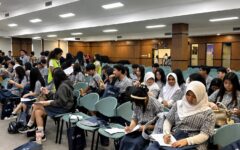
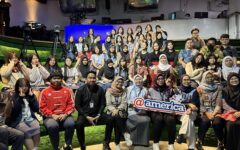
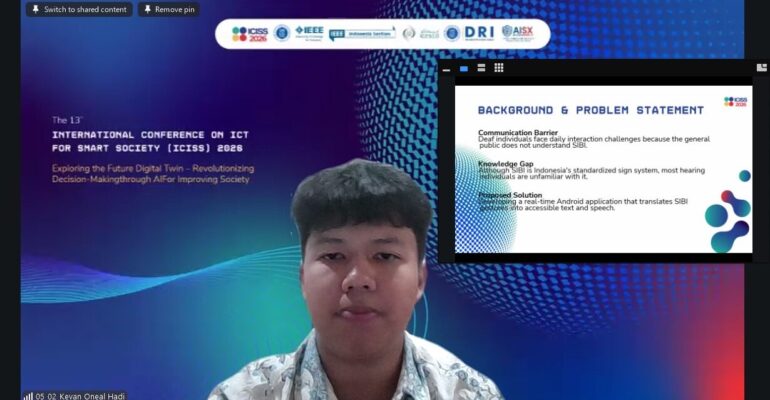
Participating in The 13th International Conference on ICT for Smart Society, ICISS 2026, was one of the most memorable experiences in my learning journey. I had the opportunity to be part of an international academic conference and present research that I had worked on together with a team. I was excited, but at the same time, I was also nervous because it was a new experience for me. Being surrounded by researchers, lecturers, and students who shared the same passion for technology made the experience even more meaningful.
My involvement in this research started from my curiosity about how technology, especially artificial intelligence, can be used to solve real problems. I was particularly interested in the communication challenges faced by people with hearing disabilities who use Sistem Isyarat Bahasa Indonesia, SIBI. From that curiosity, I was given the opportunity to join a collaborative research project that explored how artificial intelligence could help make communication more accessible.
One of the things that made this experience very special was the opportunity to collaborate with people who had much more experience in research. I had the privilege of working with Dr. Azani Cempaka Sari, S.Kom., M.T.I., SCRUM, from the Computer Science Department, School of Computer Science, BINUS University, as well as university students from BINUS University and Universiti Malaysia Kelantan. As one of the younger members of the team, I learned a lot from working with them. They welcomed me into the research process, encouraged me to contribute my ideas, and showed me how research grows through discussion, teamwork, experimentation, and continuous improvement.
Together, we worked on a study entitled “A Mobile Based Real Time Indonesian Sign Language Translation Application Using MediaPipe and LSTM.” Our goal was to develop a mobile application that could recognize SIBI hand gestures through a smartphone camera and translate them in real time. Through this project, I was able to explore artificial intelligence in a much deeper and more practical way.
During the research process, I learned how MediaPipe can detect important points on the hand and how Long Short Term Memory, LSTM, can recognize patterns from sequences of hand movements. There were many stages of testing and improvement, and not everything worked perfectly from the beginning. That was actually one of the most valuable parts of the experience. I learned that research involves trying different approaches, understanding what does not work, discussing possible solutions, and continuously making improvements. After going through this process, our model was able to achieve an accuracy of up to 97 percent in recognizing SIBI alphabet gestures.
Then came the moment I had been waiting for, presenting our work at ICISS 2026. Before the session started, I was definitely nervous. Presenting in an international academic setting felt very different from a regular presentation. However, as the presentation went on, I gradually became more comfortable and confident. Instead of focusing on my nervousness, I focused on sharing the story behind our research, explaining how our system worked, and showing what we had achieved together.
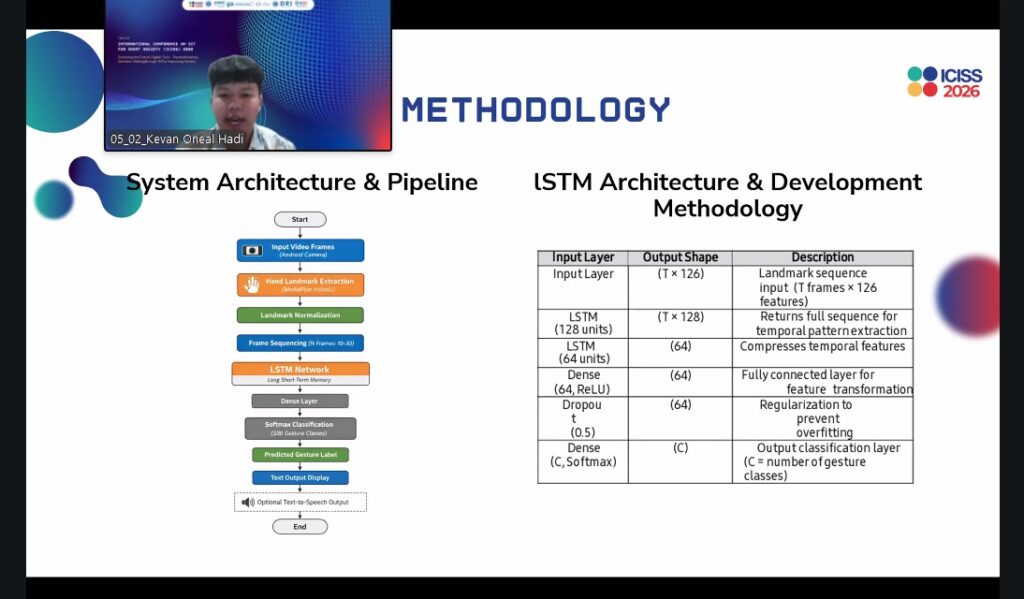
The discussion session after the presentation was another part that I really enjoyed. The questions and feedback encouraged me to think about our research from perspectives I had not considered before. I realized that even though our model had achieved a high level of accuracy, there was still a lot of room for improvement. Different lighting conditions, variations in hand positions, and similarities between certain SIBI gestures are just some of the challenges that could be explored further.
ICISS 2026 also gave me the chance to listen to other research presentations and see how people are using artificial intelligence and other technologies to solve different problems. It made me realize how broad the world of technology really is and how much there is still to learn. More importantly, I began to understand that creating technology is not only about building something advanced. It is also about understanding real problems and thinking about how technology can make people’s lives better.
Looking back, ICISS 2026 was much more than just an opportunity to present our research. It gave me the chance to experience real academic collaboration, learn from lecturers and university students, communicate my ideas in an international forum, and become more confident in exploring technology.
I am especially grateful to Dr. Azani Cempaka Sari, S.Kom., M.T.I., SCRUM, and the university students from BINUS University and Universiti Malaysia Kelantan for giving me the opportunity to learn and collaborate with them. Being trusted to take part in this research at my age is something I truly appreciate.
What began as curiosity eventually became an experience that I will always remember. ICISS 2026 has inspired me to keep learning, exploring new ideas, and challenging myself to go further. I know that I still have a lot to learn, but this experience has shown me how exciting the journey can be when curiosity, collaboration, and technology come together.